Bridging People, Processes, and Possibilities

Design Philosophy
& DesignOps

Design sits at the intersection of human needs and technological potential. Great design isn’t an add-on — it’s the foundation of every product strategy and user experience.

Focus
Design Leadership
Principles
8 Core Principles
Pillars
3 DesignOps Pillars
Scope
Strategy + Operations
08
Core
principles
03
DesignOps
pillars
09
Operational
practices
04
Workshop
methods
01 — Design Philosophy

Bridging People, Processes, and Possibilities

Design sits at the intersection of human needs and technological potential. For me, great design isn’t an add-on. It’s the foundation of every product strategy and user experience. By blending deep research, purpose-built processes, and cross-functional collaboration, we build solutions that are not only beautiful, but meaningful, scalable, and impactful.

02 — Workshop Methods

Facilitation & Collaboration Formats

Effective design operations require structured collaboration. These four workshop methods form the foundation of how teams align, discover, and decide together.

01
Empathy Mapping
Structured exercises to capture what users say, think, feel, and do. Builds shared understanding across the team and grounds design decisions in real user context rather than assumptions.
02
Journey Mapping
End-to-end visualization of user experiences across touchpoints. Identifies pain points, moments of delight, and opportunities for improvement across the complete user lifecycle.
03
Brainstorming & Dot Voting
Divergent ideation followed by democratic prioritization. Ensures every voice is heard during idea generation while using collective intelligence to identify the most promising directions.
04
Affinity Diagramming
Collaborative synthesis of research findings, user feedback, or brainstorm outputs into meaningful clusters. Reveals patterns, themes, and insights that inform design strategy and feature prioritization.
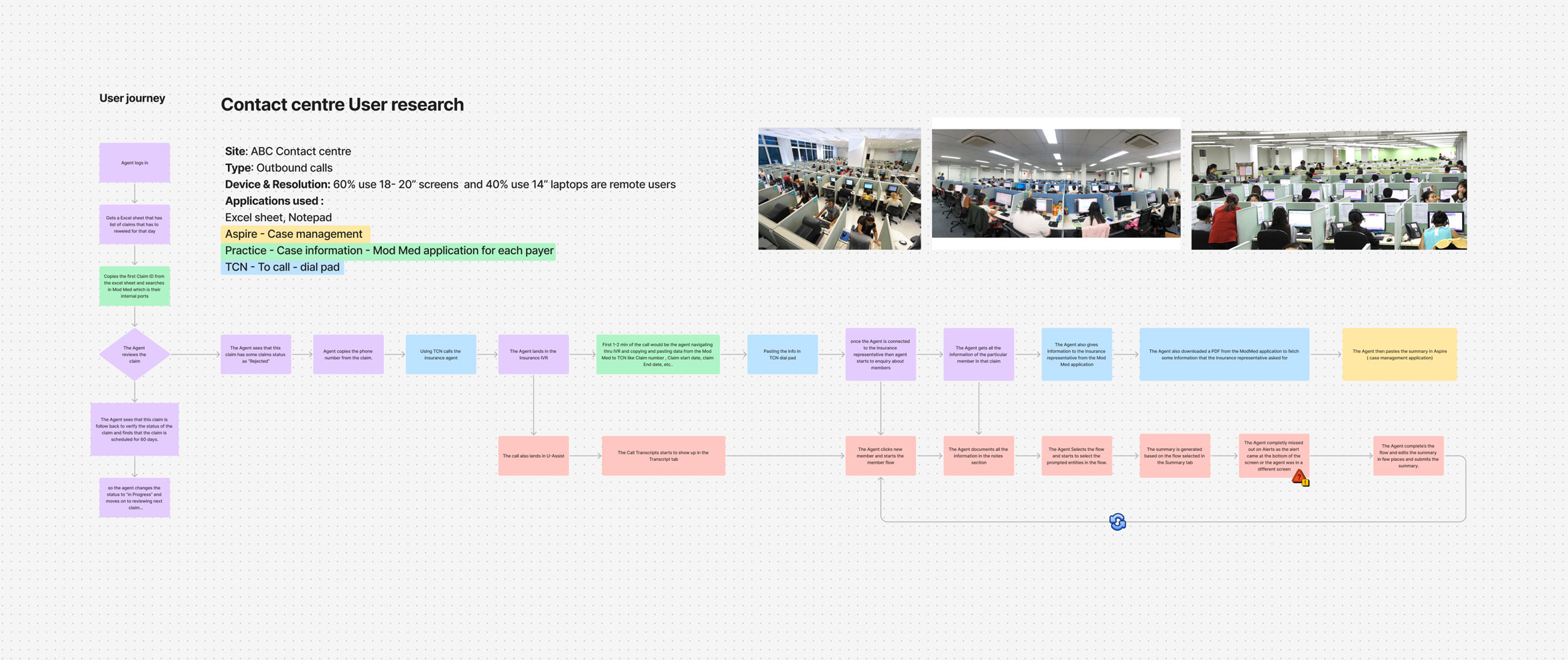
Field Research & User Interviews
Field research — user interviews, contextual inquiry, and stakeholder discovery sessions informing design strategy.
View Contact Center AI Case Study →
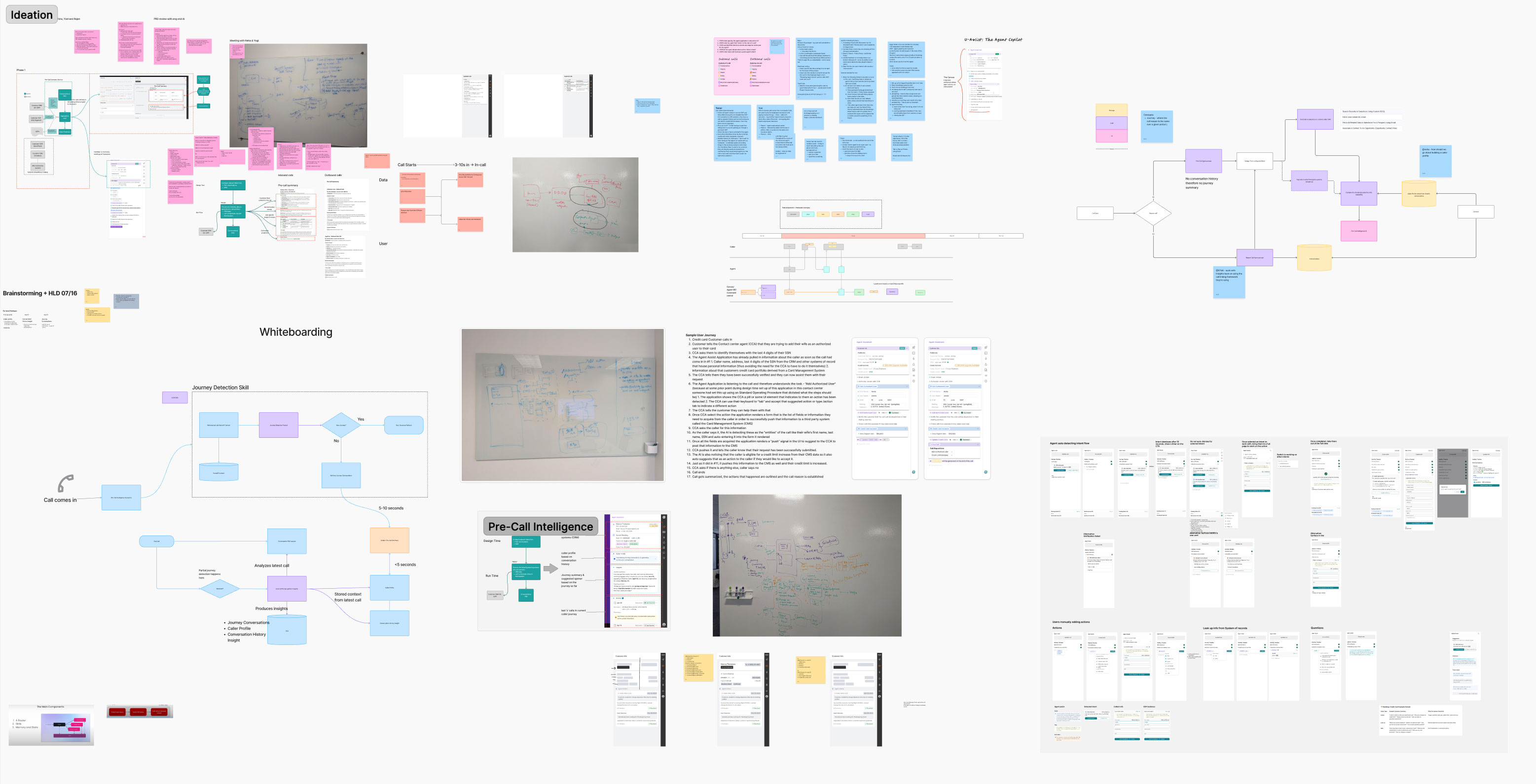
Ideation & Whiteboarding Sessions
Ideation & whiteboarding — collaborative brainstorming, dot voting, and concept exploration with cross-functional teams.
View Contact Center AI Case Study →
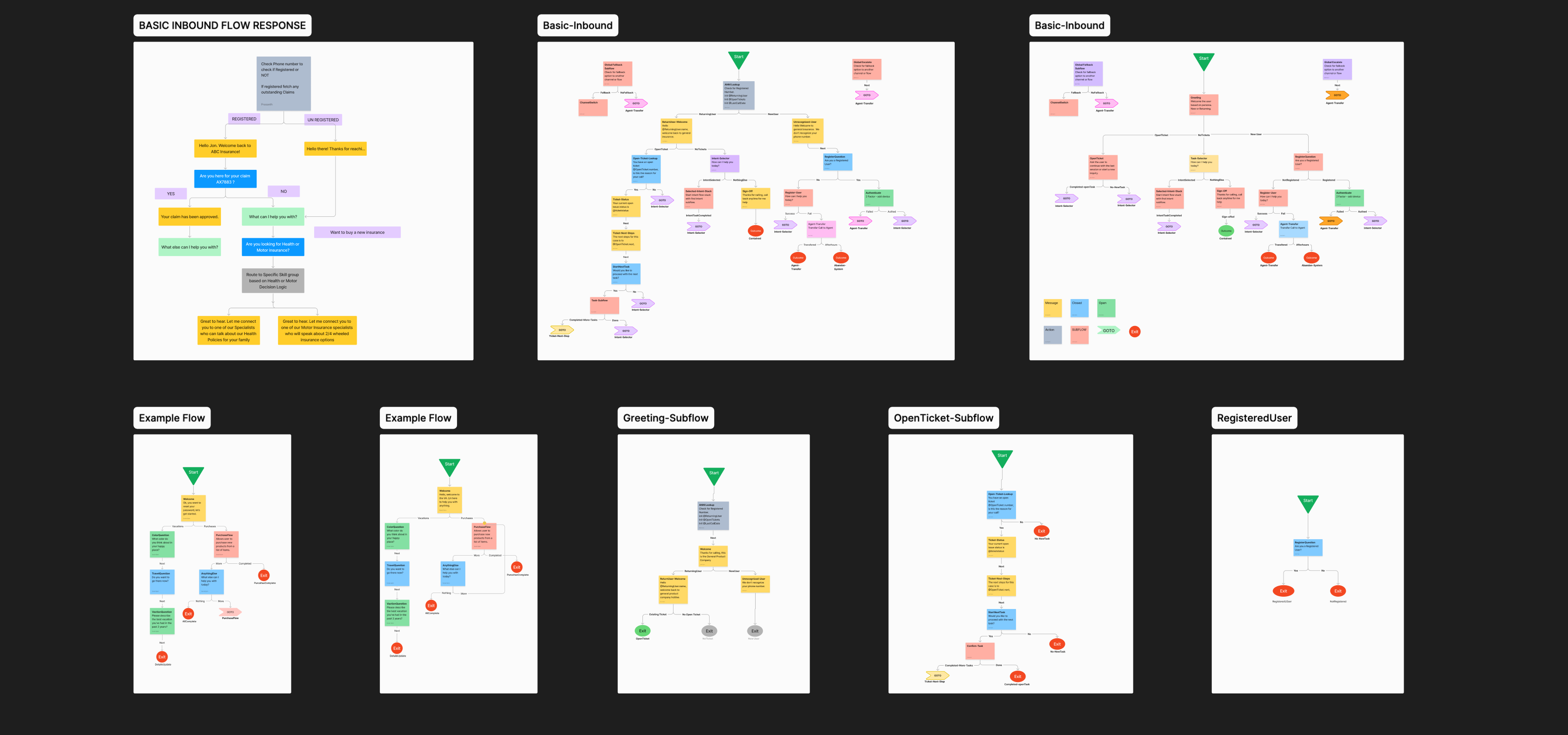
Legacy Flow Analysis
Legacy flow analysis — mapping existing workflows and identifying pain points to inform redesign strategy.
View Contact Center AI Case Study →
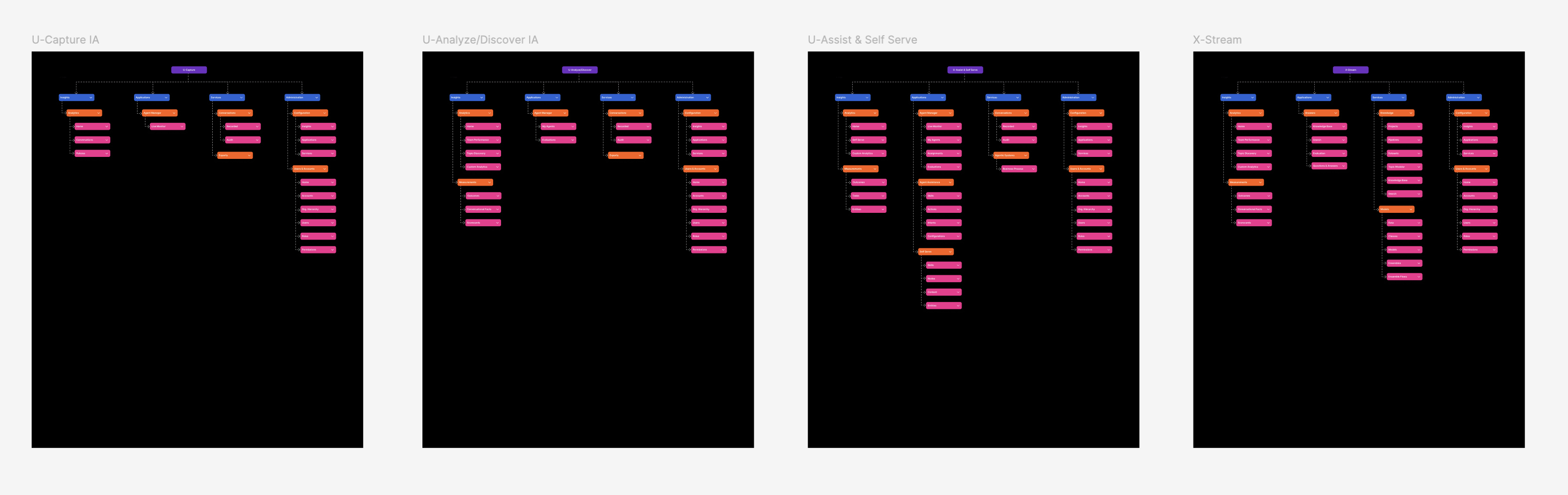
Product Information Architecture
Product information architecture — mapping system hierarchies, module relationships, and navigation structures across platforms.
View Platform Unification Case Study →
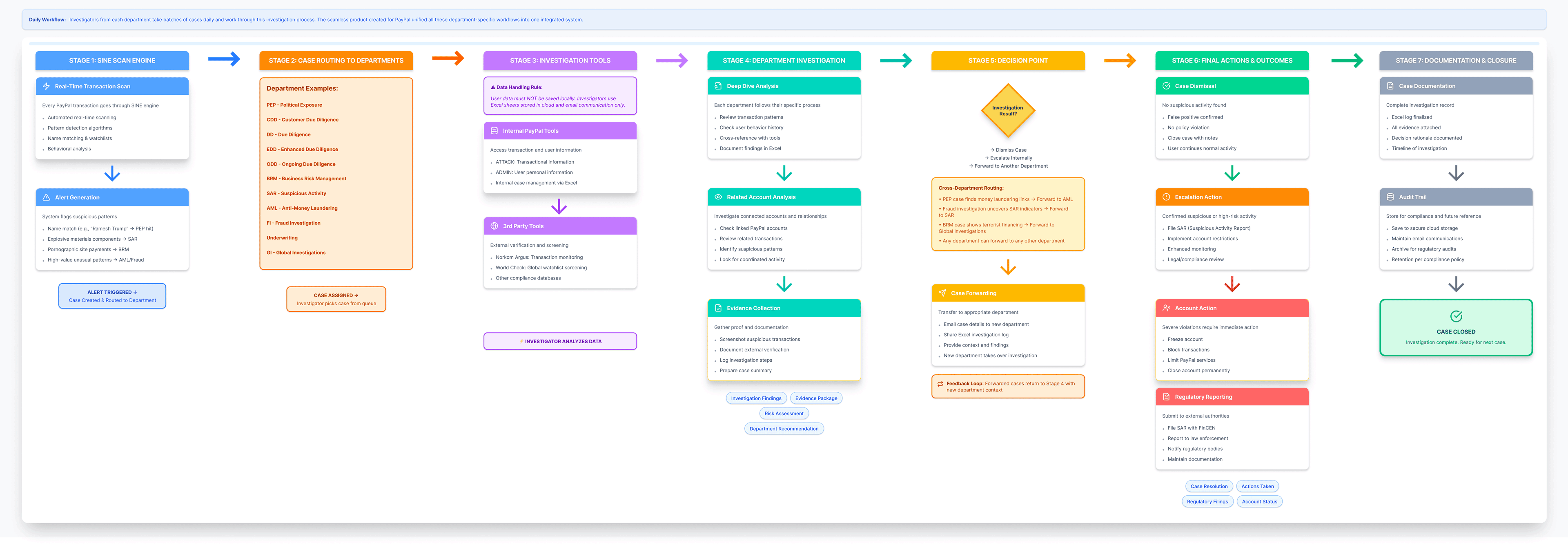
Journey Mapping
Journey mapping — end-to-end visualization of user experiences across touchpoints, identifying pain points and opportunities.
View Fintech Risk Case Study →
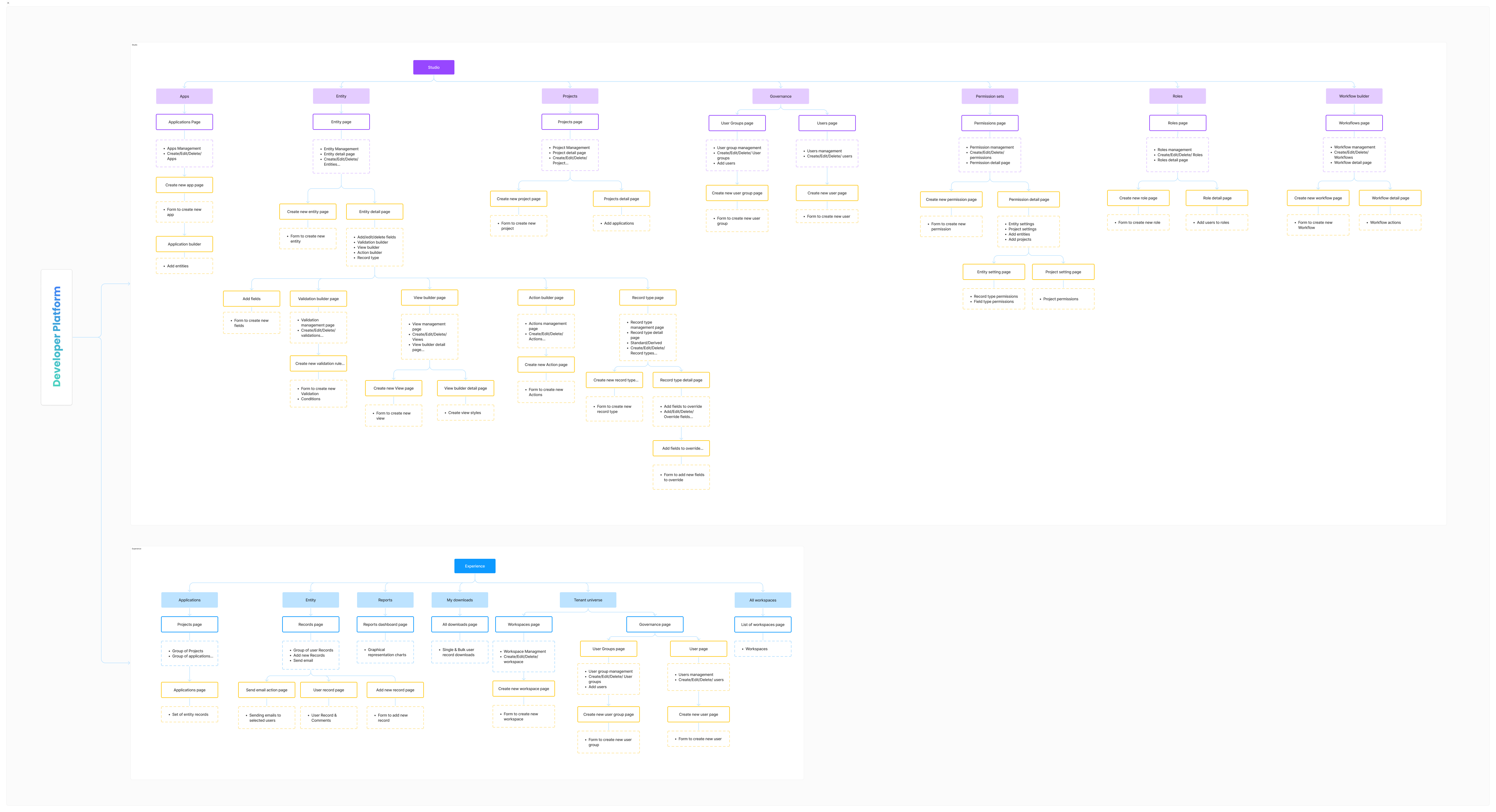
Developer Platform Information Architecture
Information architecture — detailed system structure, component relationships, and data flow mapping for platform design.
View Developer Platform Case Study →
03 — Core Principles

Eight Pillars of Practice

01
Human-Centred Research Foundations
I ground every decision in mixed-method research like user interviews, usability tests, and analytics reviews. This helps me uncover genuine pain points and validate hypotheses before any design work begins.
02
Data-Informed Decision Making
Quantitative metrics guide our priorities, while qualitative insights bring empathy and nuance. Together, they help us build solutions that both delight users and meet business goals.
03
Innovation & Creativity Practices
I spark fresh ideas through structured workshops like design sprints, mental-model mapping, and creative brainstorming. I also set aside “play time” (about 15% of capacity) for experimentation and skill-building.
04
Cross-Functional Collaboration Rituals
From weekly design critiques and PM syncs to handoff ceremonies and retrospectives, I build in regular touchpoints that align design, product, and engineering from day one.
05
Scalable & Sustainable Systems
I build component libraries, design tokens, and style guides that grow with the product. This ensures consistency, reduces redundancy, and speeds up delivery.
06
Quality Assurance & Design QA
Formalized design reviews and QA checkpoints sit at key milestones in the product development lifecycle. This raises the bar on craftsmanship before any Go or No-Go launch decision.
07
Metrics-Driven Improvement
I measure success in outcomes like task completion rates, onboarding speed, and error reduction. Post-launch analytics fuel rapid, iterative improvements that keep experiences fresh.
08
Tools & Technology Enablement
I use and advocate for best-in-class platforms to streamline workflows, maintain transparency, and help teams focus on impact.
04 — DesignOps Framework

DesignFlow: A Structured Approach

DesignFlow is a structured approach to building high-performance design teams and maximizing design impact. It addresses three fundamental questions every design organization faces: How do you build the right team? How do you optimize their workflows? And how do you measure and maximize their impact?

The framework is organized around three pillars, each containing three operational practices that work together to create a cohesive, high-functioning design operation.

Pillar 1
Building High-Performance Teams
Team formation, mentorship programs, and clear role definitions that create an environment where designers thrive and grow.
Pillar 2
Optimizing Design Workflows
Tools, methods, cross-functional integration, and design systems that streamline how design work gets done.
Pillar 3
Maximizing Design Impact
Product lifecycle integration, quality assurance practices, and metrics that demonstrate and amplify design’s value.
05 — Pillar 1

Building High-Performance Teams

Great design starts with great people. This pillar focuses on how to assemble, develop, and structure design teams for maximum effectiveness and growth.

Team Formation & Hiring
Building the right team means looking beyond portfolios. Evaluate for problem-solving ability, collaboration skills, and cultural add (not just fit). Structure interviews around real design challenges, pair exercises, and cross-functional scenarios. Define clear hiring rubrics that balance craft excellence with strategic thinking.
Mentorship & Growth
Create structured mentorship programs that pair senior and junior designers around specific skill development goals. Establish regular design critiques, portfolio reviews, and learning sessions. Define clear career ladders with competency matrices so designers know exactly what growth looks like at every level.
Roles & Responsibilities
Clarity prevents conflict. Define RACI matrices for design decisions, establish clear ownership boundaries between UX, UI, research, and content design. Create role descriptions that evolve with the organization and ensure every team member understands their scope, authority, and accountability.
06 — Pillar 2

Optimizing Design Workflows

Efficient workflows multiply a team’s output without multiplying headcount. This pillar covers the systems, tools, and processes that make design work flow smoothly.

Tools & Methods
Standardize the design toolkit — from Figma component libraries to handoff documentation templates. Establish naming conventions, file organization standards, and version control practices. Integrate AI-assisted workflows (vibe coding, automated specs) to accelerate delivery without sacrificing quality.
Cross-Functional Integration
Design doesn’t exist in isolation. Define clear touchpoints with engineering, product, and research throughout the development lifecycle. Establish design sprints that align with engineering sprints, create shared rituals (design reviews, sprint demos), and build relationships that make collaboration the default, not an exception.
Design Systems
Build and maintain a living design system that serves as the single source of truth. Define component governance, contribution models, and adoption metrics. Ensure the system scales from atoms to templates and that every component is documented with usage guidelines, accessibility specs, and code equivalents.
07 — Pillar 3

Maximizing Design Impact

Impact is where design earns its seat at the table. This pillar ensures design work translates into measurable business outcomes and product improvements.

Product Lifecycle Integration
Embed design at every stage — from discovery through post-launch optimization. Design isn’t a phase; it’s a continuous presence. Define when design contributes (strategy, ideation, validation, delivery, measurement) and ensure designers have the context and authority to influence product direction at each stage.
QA Practices
Design quality doesn’t end at handoff. Establish design QA checkpoints: pixel-perfect reviews, interaction audits, accessibility testing, and content reviews. Create a feedback loop between what was designed and what was shipped, tracking implementation fidelity and filing design debt alongside tech debt.
Metrics & Measurement
Define design-specific KPIs that connect to business outcomes: task completion rates, time-on-task improvements, error reduction, NPS/CSAT deltas, and design system adoption rates. Create dashboards that make design’s impact visible to leadership and use data to prioritize design investments.